Important Issues
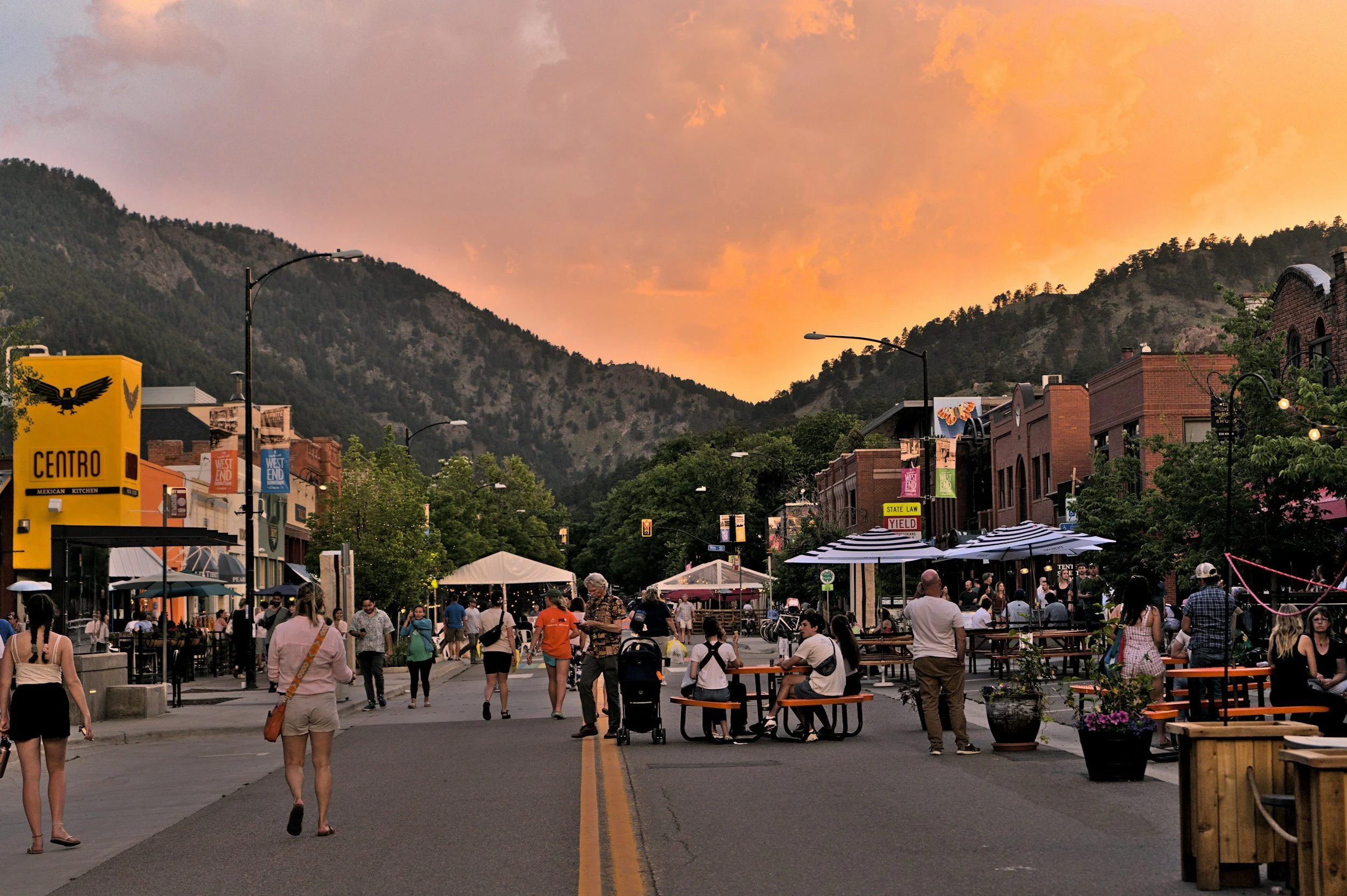
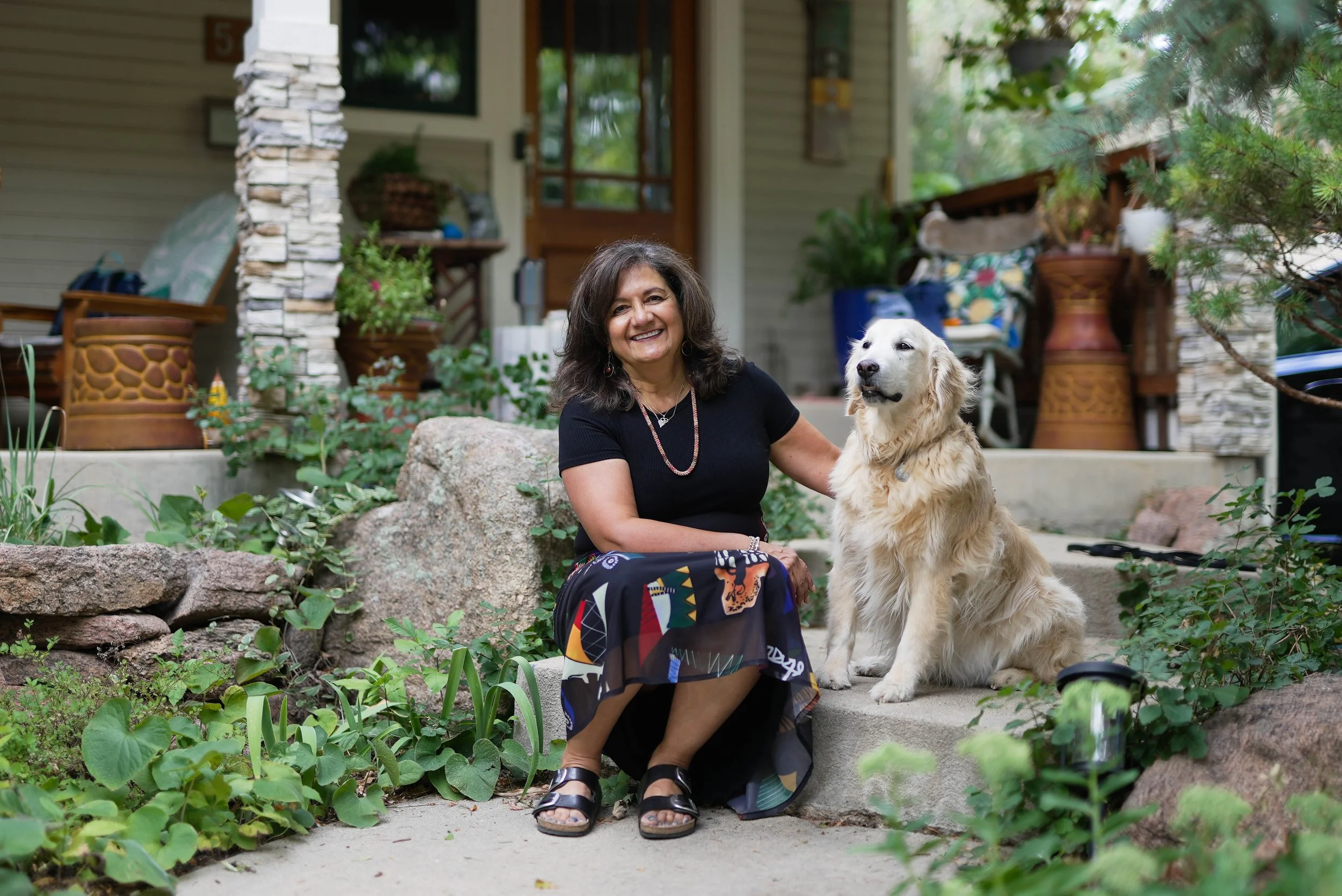
With over three decades of deep community roots in Boulder County, Benita brings a seasoned, honest voice to the conversation. Explore her candid insights on inclusive growth, attainable housing, and the pivotal choices shaping our community's path forward.
On the Boulder Creek Path
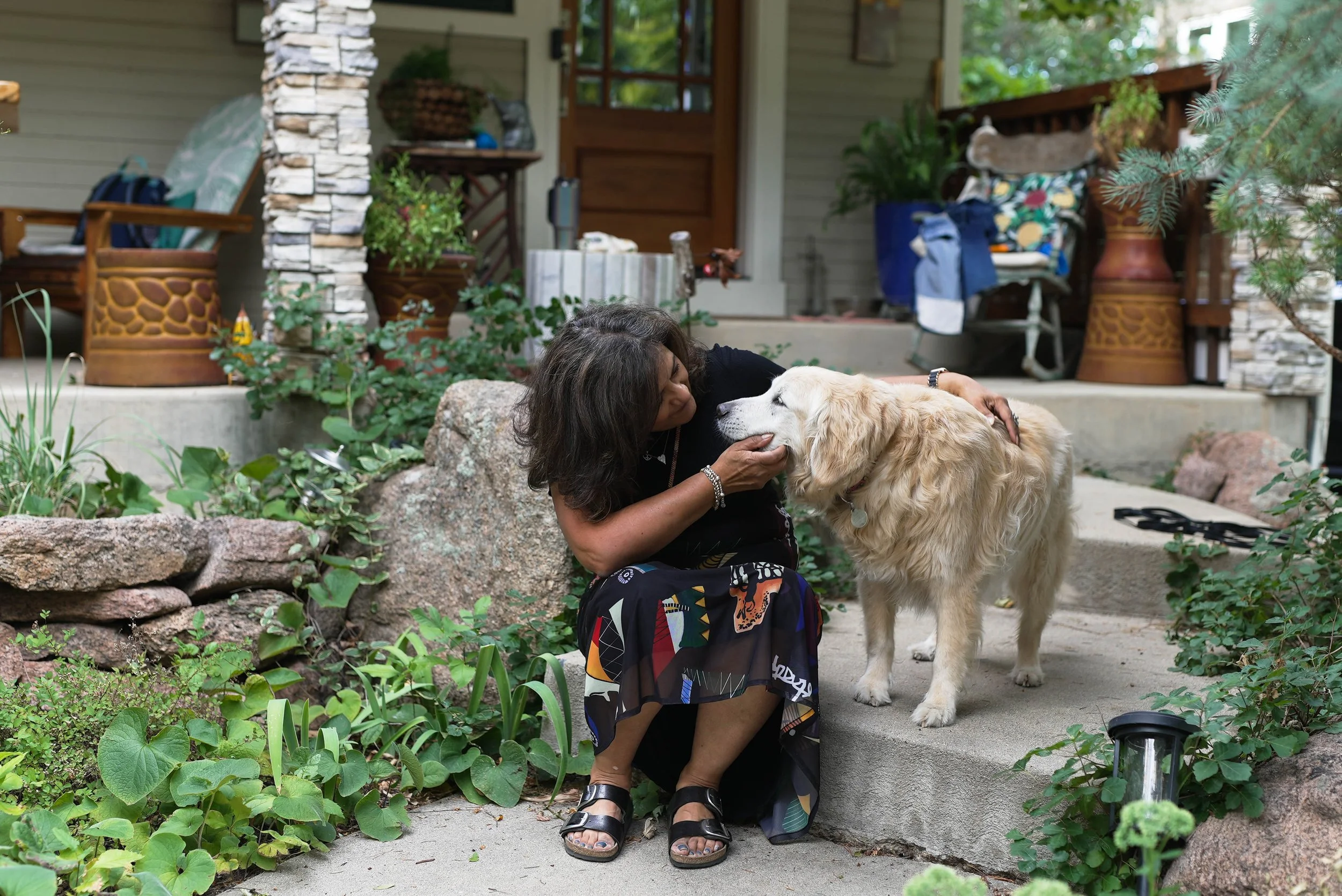
Restoring Boulder Creek Path: A Commitment to Our Community
Having lived in Boulder since the early 1990s, I care deeply about our community. I'm encouraged by progress on homelessness, particularly through All Roads, an organization whose potential I recognized while serving on its board nearly a decade ago.
Coordination among the city, county, and law enforcement has improved, but additional services and interventions are needed when individuals cannot or will not accept help, especially when public safety is affected.
As this work continues, we must refocus on our business corridors and public spaces, particularly the Boulder Creek Path.
When I moved here, the Creek Path was one of Boulder's great treasures. Recent improvements are encouraging, but sustained attention is needed.
As a council leader, I believe my responsibility goes beyond identifying problems. It means setting priorities, bringing people together, demanding accountability, and delivering results. I am committed to advancing a coordinated, measurable plan that restores the Creek Path as a safe, beautiful, and welcoming place for Boulder residents, first and foremost.
We have made progress in helping people find a pathway home. Now it's time to bring that same determination to restoring a treasured pathway for our community. Boulder deserves both—and it's time to get it done.
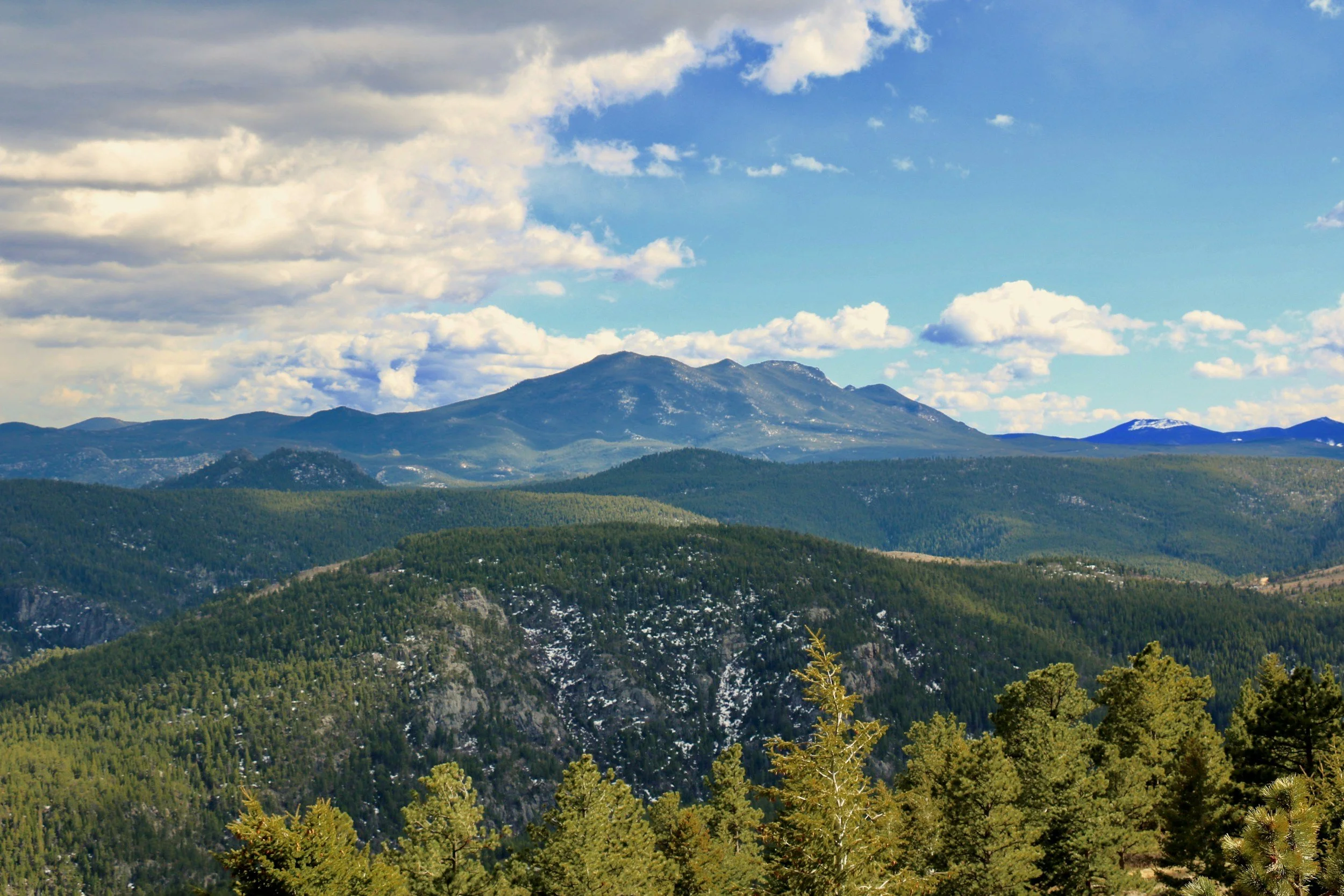
On the Boulder Library District
Transparency, Accountability, and a Balanced Budget
In November 2023, Boulder voters approved creating an independent library district. The County Commissioners and City Council first appointed its seven-member Board of Trustees. In May 2024, I was appointed to one of the board's two initial five-year terms. The first terms are staggered.
Our first year was a transition year. We set up the systems an independent government needs: payroll, budgeting and finance, and an inventory of buildings. We also negotiated an intergovernmental agreement (IGA) with the City and County. I served on the IGA negotiating committee. The IGA covers all library assets and calls for a review of certain lease terms by 2027. Library employees moved onto the District's payroll in January 2025.
From our first meetings in 2024, which were held weekly for the first six months, this board has focused on transparency and accountability in everything we do. All meeting materials and discussions are available on the library's website: [Board of Trustees meetings].
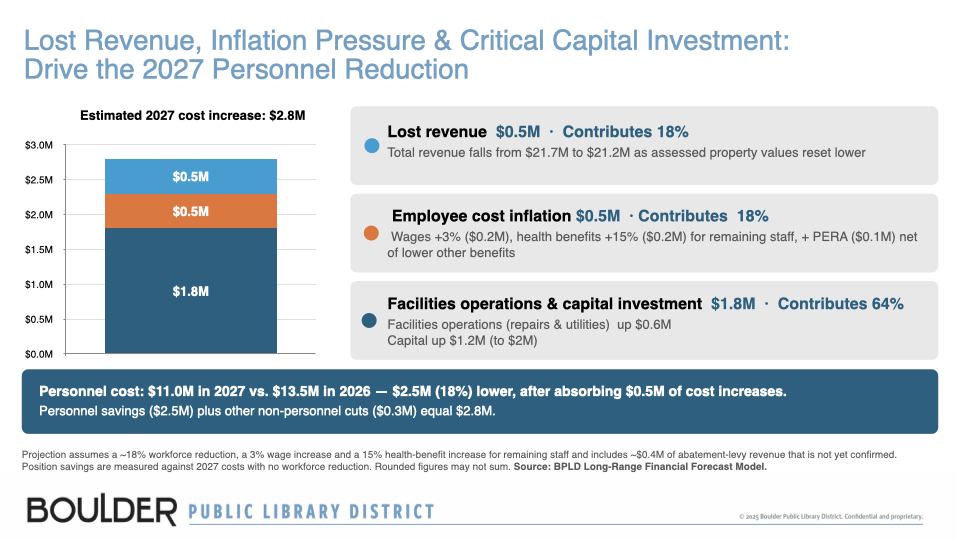
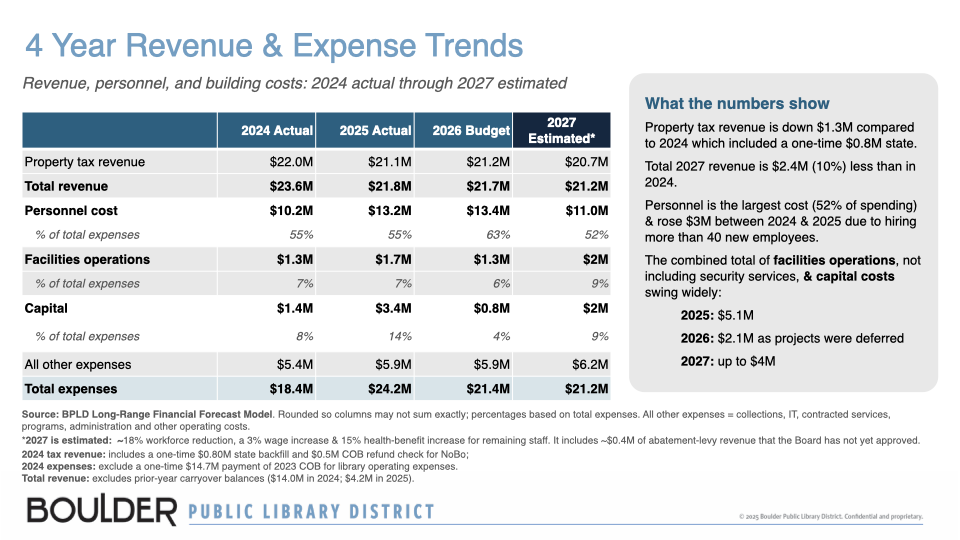
Below is a slide from our recent 2027 budget discussions. Since 2024, property tax receipts have declined, and personnel costs have risen. That increase is not from new positions. It comes from restoring positions the City had previously cut and from rising insurance and PERA costs.
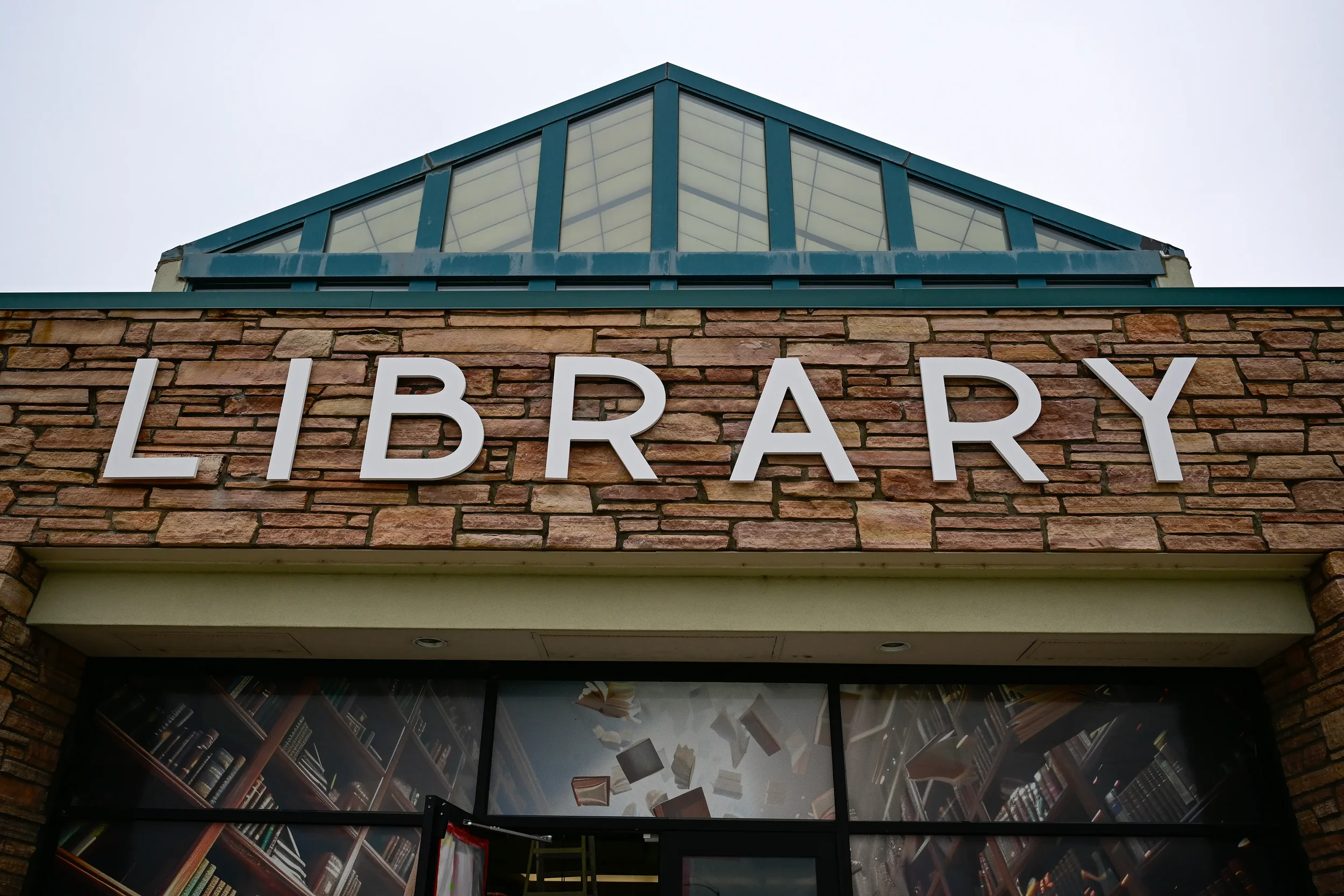
Our data also shows that patrons are using the District's new North Boulder and Gunbarrel libraries. Opening them was a commitment from day one.
We have always known about deferred maintenance in the buildings we lease from the City. The biggest need is the Main Library's HVAC system. It has gotten band-aid fixes for too long and needs to be fully replaced. We cannot delay any longer, so the Board has directed staff to find the funding through program and staff reductions.
I highly value the public's trust in this District and the investment we have all made in it. The District is funded solely by residential and commercial property taxes. We do not rely on support from the City or any other district for these assets, which are part of the City's portfolio. These are your tax dollars, and our finances must reflect community values and a balanced budget.
If you'd like to discuss anything about my role as a Library District Trustee, please reach out.
On Housing
Housing, Land Use Planning, and Sustainable Urban Form
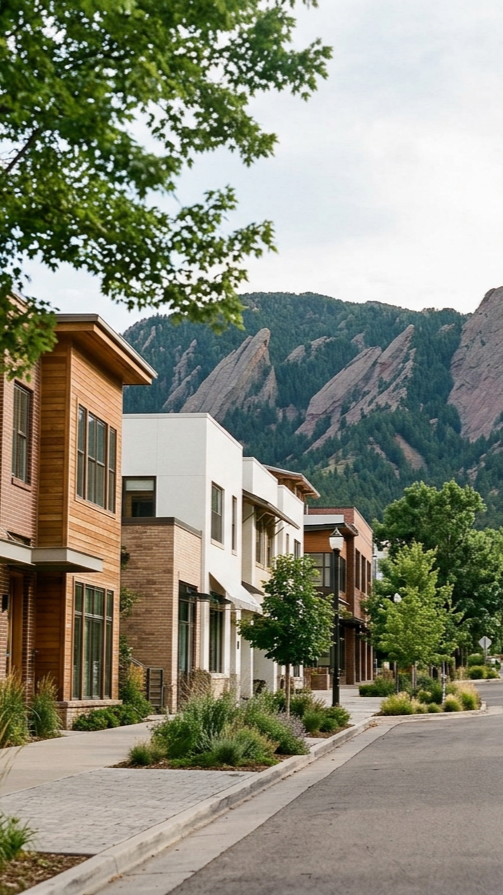
The recent major update to the Boulder Valley Comprehensive Plan (BVCP) represents a crucial moment to align our physical growth map with our stated values of equity, climate action, and community resilience. Regarding the changes made to the land-use map and designations, I offer the following perspective:
What I Support
I strongly support diversity of housing options with a conscious focus on what fits within the character of each area and neighborhood. I support the adjustments in the BVCP aimed at expanding housing choices, fostering more accessible neighborhood services and allowing more flexibility for neighborhood-scale commercial nodes (such as small-format cafes, childcare centers, and corner shops).
For too long, rigid zoning and land-use maps have locked lower-income families out of high-opportunity areas and forced long commutes. Creating pathways for mixed-use, transit-supported infill is essential to combating displacement and building a truly multi-generational, inclusive city. I hear often that our residents don’t want Boulder to turn into a retirement community for those with means. Addressing diversity in housing affordability options is a step towards strengthening communities and providing for homes for young singles, working families, and our city’s workforce. I believe we can be a more resilient Boulder when we have housing options that make it possible for a city administrator, police chief and educators to live in Boulder, like they did decades ago and be an integral part of our neighborhoods throughout the city.
(I’m working on this book about the life of Dorothy Rupert, 100 years old, former state rep and state legislator, and I have come to realize that her success in her work as a high school counselor at Fairview was that she lived blocks away from the school. She spent a lot of time at the school with students. She didn’t have to plan for a 30 to 45 minute commute to and from her job. Her children attended the same school where she worked. When she ran for the legislature it was not a heavy lift, as she was well known through her work with students at the two high schools and was active in various programs with her children. She still lives in Boulder today. But over the decades we are losing this multi-generational community presence and making it even more difficult for people to stay in jobs due to the costs and stress of commuting into and out of Boulder. So this story is a motivator for me to find the ways for our workers to live and thrive in Boulder. )
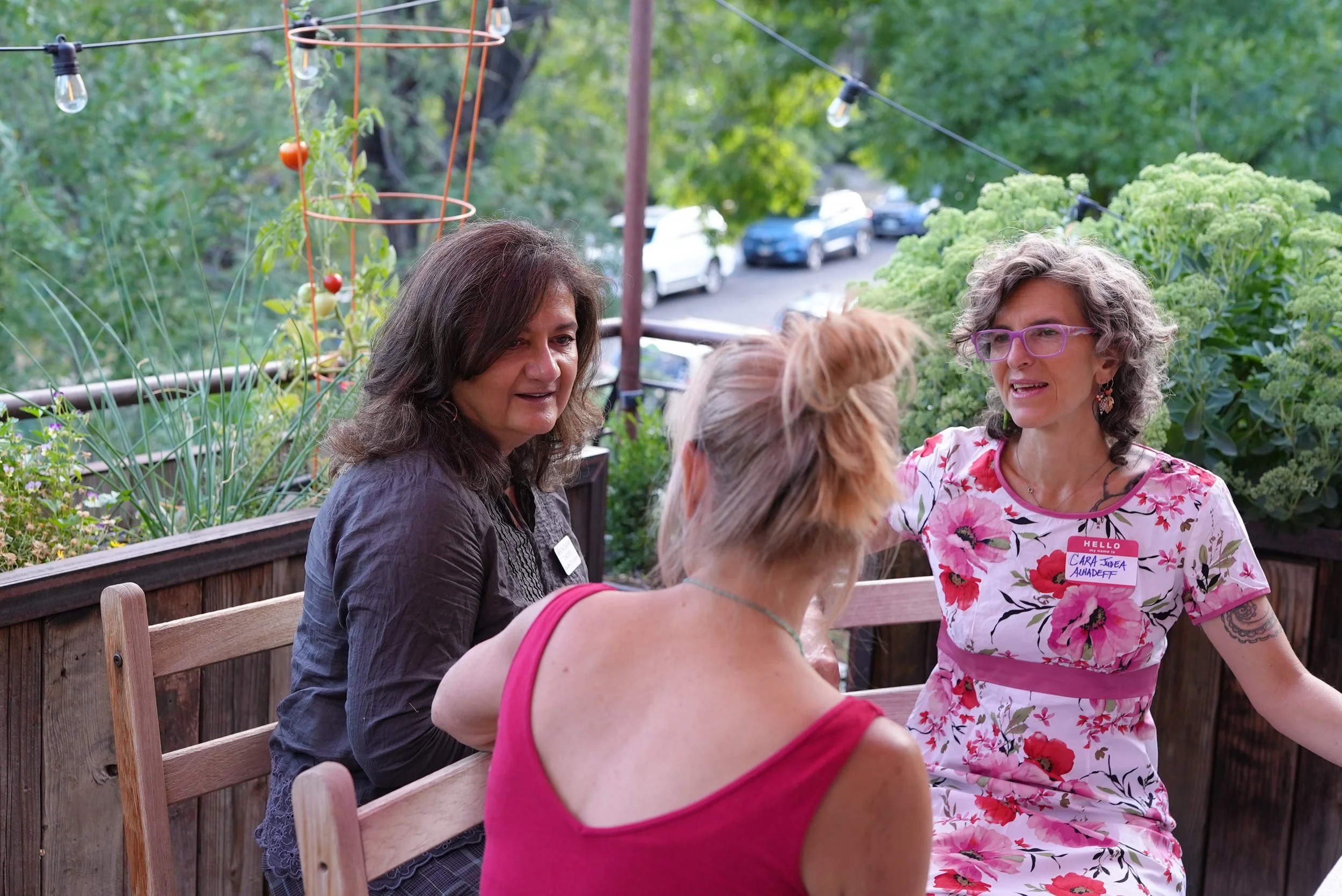
Regarding the BVCP process, I was invited by the city staff to be member of the advisory committee for the Community Assembly process that involved community members’ study and recommendations linked to the BCVP process. It was a solid process that informed and engaged people from all parts of our city. I focused on establishing clear understanding of the expectations and not setting up participants to be disappointed if their recommendations were not embraced. While it was a significant investment in time and resources, it resulted in a more informed citizenry of what has traditionally been a foreign and inaccessible process. It is a model for engagement in the future, should the city decide to pursue an assembly process tied to annual budget processes, which is where many communities align public engagement programs like this.
What Needs Modification or Caution
While denser land-use designations are necessary, we must modify how these changes are implemented to ensure they do not unintentionally trigger speculative displacement or luxury-only redevelopment. Land-use shifts toward higher density must be explicitly tied to inclusionary housing requirements and anti-displacement safeguards. Furthermore, any expansion of commercial or residential footprints must protect our environmental buffers and urban growth boundaries, ensuring that growth does not compromise our open space commitments or climate resilience goals.
Benita Duran
On Inclusion
What Does Inclusiveness Look Like in Boulder?
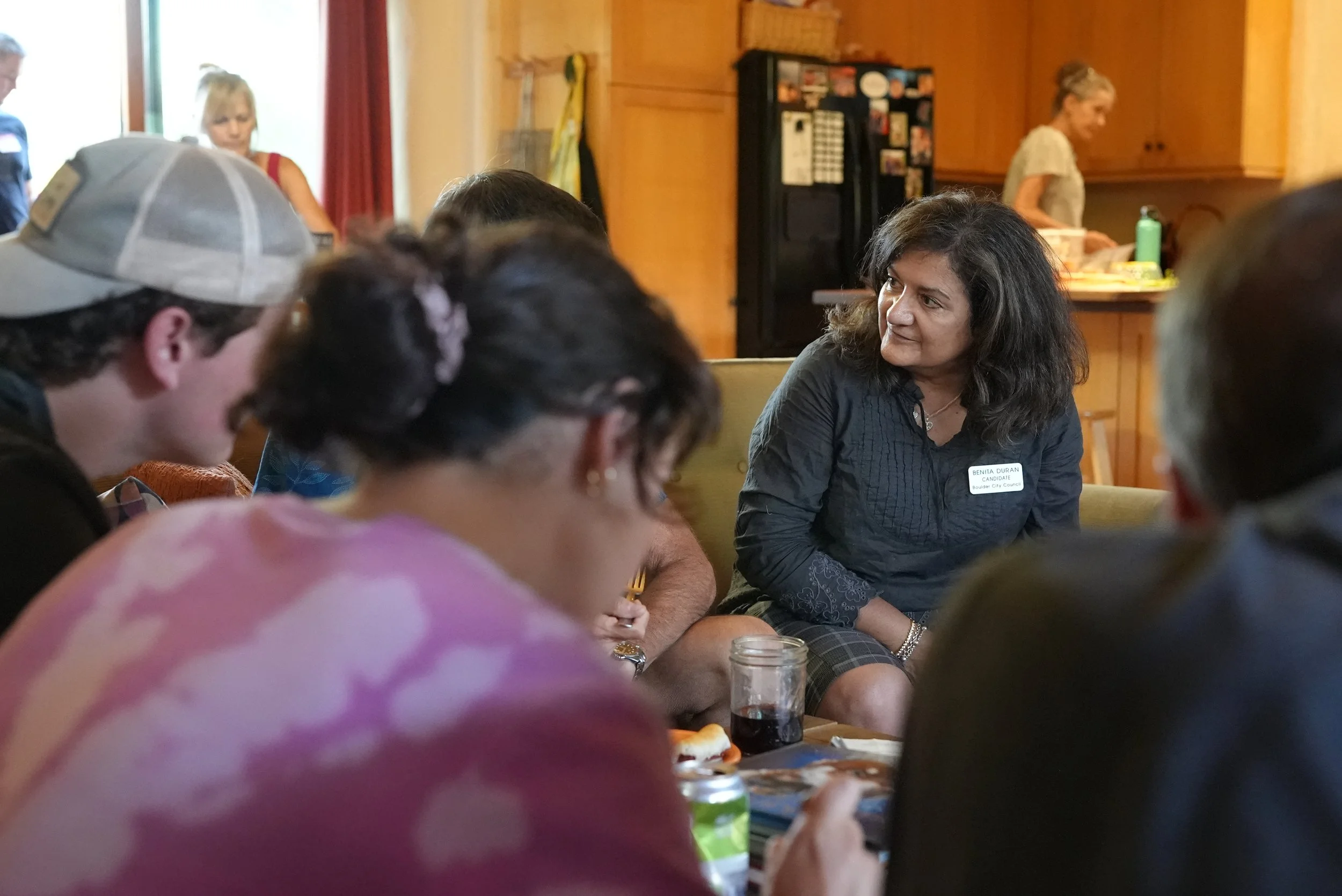
I’m a proud Latina. I live in Boulder by choice, and I’ve spent years contributing to and building community here because I care, because I believe in giving back—and because it brings me joy.
Now I’m running for a seat at the Boulder City Council table.
That’s the job I want. I’m not running to position myself for something else. I want to serve this city, and I’m asking for your support and your vote by November 3.
I think about inclusiveness a lot. What does it actually look like in Boulder?
It looks like people showing up and knowing they belong. It means being part of something bigger than ourselves and finding connections with people around a shared interest, a concern, a neighborhood, or a desire to make our community better.
And we aren’t there yet.
It still saddens me when I attend events in this city I love and see few—or no—people who look like me. Over the years, I’ve known people of color who left Boulder after struggling to find the sense of community and belonging that they had hoped for. They grew tired of always standing out instead of feeling like they belonged.
People come to the table because they care. They stay when they know they are welcomed and valued.
Not discounted. Not overlooked. Not underestimated.
I know how those things feel. And they are painful. Those experiences are part of why I care so deeply about making Boulder a place where more people feel that they belong.
But inclusion isn’t just a feeling. City government can do something about it.
From the City Council table, I want us to ask more than: How many community meetings did we hold?
I want us to ask:
Who did we reach? Who didn’t we reach? Who was missing from the table? And what are we going to do about it?
Every major city priority, project, and initiative should have a real community engagement strategy. Who are the stakeholders? How will we reach them? Who makes the contact? Who follows up? And after people take the time to participate, how do we show them that their voices mattered?
Inclusion also means reaching people in every part of Boulder. It means recruiting for boards and commissions months before applications are due—not simply posting an announcement and hoping a diverse group of people applies.
And I know intentional inclusion can work.
I’m in the fourth year of my five-year term on the Boulder Public Library District Board of Trustees. I was the first Latina appointed to the board—but I am definitely not the last.
Today, four members of our board are women of color.
I’m proud of that. And I like to think I had a hand in helping make it happen.
But here’s what I really hope for: a day when that kind of representation isn’t noteworthy at all.
It is simply Boulder.
That’s the Boulder I believe in. A city where you don’t have to wonder whether you belong. A city where we don’t wait for people to find their way to the table—we invite them, we listen to them, and we make room for their voices.
That’s what inclusiveness looks like to me. And that’s the Boulder I will work for at the City Council table.
What is your experience of Inclusion and Inclusiveness? If you have questions or ideas, I’d love to hear from you. Please reach out to me benitaforboulder@benitaduran.com.